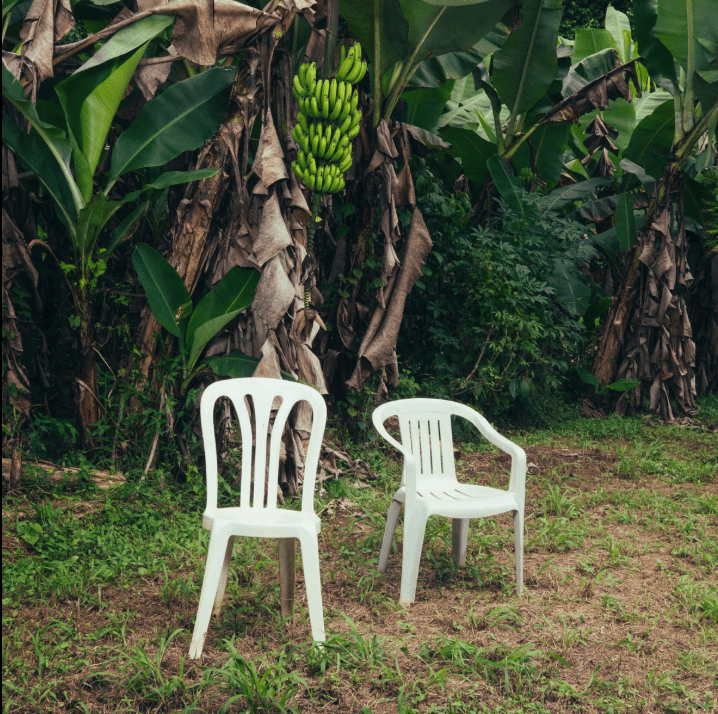
If anyone can keep the masses engaged, it’s Bad Bunny. And he did it again with his sixth studio album, Debí Tirar Más Fotos. I should have taken more photos — the direct translation of Benito’s latest album title — is a love letter to Puerto Rico, the island’s identity, and culture — but it’s also a call to action to Puerto Ricans everywhere, a call to resist gentrification and reflect on ancestry and heritage.
Bad Bunny’s short film, also titled Debí Tirar Más Fotos, is an introduction to his album, providing context to those who may not intimately know or understand what’s currently happening in Puerto Rico: gentrification, displacement, and erasure of Puerto Rican culture. Legislative measures (Act 60) implemented to attract investments that provide substantial tax benefits have made Puerto Rico an appealing option for investors, particularly those from the mainland US. While these investments are intended to bring economic development to Puerto Rico, they have increased the property value of real estate, displacing much of the local community. Notably, these benefits are primarily available to new residents — not those already residing on the island — creating greater economic disparities and changing the island’s cultural landscape.
Debí Tirar Más Fotos is more than just a musical album; it is a memoir about the place Bad Bunny calls home. At sixty-two minutes, Debí takes us through a journey across centuries and generations to tell us the story of his island, the people who have contributed to its rich tapestry of history and culture, and its current struggles. It’s an album full of elation, heartache, and longing that will have you dancing and sobbing in the time it takes to commute home from work.
Hitting play on the album’s first track immediately raises eyebrows with an old school salsa sound. The album begins with Un Verano En Nueva York by El Gran Combo de Puerto Rico, released in 1975, before morphing into a tropical-house-reggaeton fusion, setting the stage for a mind-blowing audio experience. Bad Bunny dedicated this album to Puerto Ricans everywhere — and what better place to begin a celebration of the Puerto Rican diaspora than in NuevaYol? He even gives a shout-out to rap royalty Big Pun, one of the first Puerto Rican rappers to achieve mainstream recognition and success.
Bad Bunny doubles down on salsa’s significance in Puerto Rican identity with Baile Inovidable. The track begins with a retro-wave sound, with Bad Bunny’s voice calling through a tunnel of nostalgia before kicking off into a salsa rhythm. The song’s chorus explores heartache and loss, as Bad Bunny sings that if you see him looking sad, it’s his own fault. At three minutes and 58 seconds, the song harks back to an old classic from Puerto Rican salsero, Hector Lavoe’s acclaimed Juanito Alimaña, leveraging a similar instrumental beat. Salsa music has needed a resurgence, a sound that today’s youth could call their own, a track with enough substance and meaning to stand up alongside the classics enjoyed by our parents and grandparents like those of Fania, El Gran Combo, and the like. Bad Bunny delivered.
At 30 years old, Bad Bunny sits at the tail end of the Millennial generation. But his sixth track, Velda (the phonetic spelling of the Spanish word for “truth” pronounced with a Puerto Rican accent), features a classic reggaeton beat that anyone aged 35+ (who partook in a bit of perreo in their younger years) would instantly recognize. While the lyrics, beat, and featured artists like Omar and Dei V add a powerful new-school sound to the track, one cannot ignore its old-school beat. This is only punctuated by Wisin’s feature at the end of the track, his voice a nostalgic callback to the early and mid-2000s.
Wisin’s voice transports millennials back to nights when Rakata and Llame Pa Verte were must-haves at the pregame, at the club, and on the wind-down home. Ketu TeCre also employs a beat nostalgic to the early 2000s and is very representative of the classic Dembow beat, the foundation of reggaeton music inspired by Jamaican dancehall.
Turista, a beautiful ballad, examines how tourists searching for a good time visit Puerto Rico for all the beauty and fun it offers without understanding the pain and suffering that has shaped the island and its culture. And while tourists get to jet back home, those with roots firmly planted on the island stay behind, tending to its wounds. Lo Que Le Paso en Hawaii examines the parallels between Puerto Rico and Hawaii, another tropical archipelago colonized by the US, and the impact of tourism on local communities and their culture.
They want to take my river and also the beach
Quieren quitarme el río y también la playa
They want my neighborhood and for grandma to leave
Quieren el barrio mío y que abuelita se vaya
No, don’t let go of the flag or forget the lelolai
No, no suelte’ la bandera ni olvide’ el lelolai
‘Cause I don’t want them to do to you what happened to Hawaii
Que no quiero que hagan contigo lo que le pasó a Hawái
These two tracks showcase the worry, pain, and anger that Puerto Ricans on the island face as gentrification and legislation increase economic disparities, driving local communities out of Puerto Rico in search of new opportunities. Martinez Ocasio points attention to recent US history to warn of what may come for Puerto Rico, stir objection, and awaken the spirit of protest amongst Puerto Ricans and its supporters.
Puerto Rico has done incredible work of keeping African traditions alive through Bomba y Plena, a musical tradition enslaved Africans used to express anger and pain and catalyze rebellions. Like Benito’s Debí, Plena tells the tales of events and movements that the African people wanted to keep alive. Pitorro de Coco underscored the influence of the African diaspora in Puerto Rico with a nostalgic storytelling of heartbreak and sadness — a nod to Son and Bolero.
Benito has gifted us a song that will likely become a classic, DTMF. He sings of watching another beautiful sunset in San Juan, enjoying the many things that those who’ve left are missing, and reminiscing about good times that will never be again. These lyrics illustrate the excruciating longing felt by those who emigrate and those who stay and a universal feeling of nostalgia:
I should’ve taken more pictures when I had you
Debí tirar más foto’ de cuando te tuve
I should’ve given you more kisses and hugs whenever I could
Debí darte más beso’ y abrazo’ las veces que pude
Ayy, I hope my people never move away
Ojalá que los mío’ nunca se muden
The chorus is a playful but painful call to those no longer beside us, underscoring the deep regret one feels upon realizing our loved ones are no longer close by, that things change, that people grow up, move, or depart. The song has led to a tremendous response on TikTok and Instagram, with thousands sharing images of loved ones departed and dedications to long-distance friends or family living abroad. No one expected to cry with a Bad Bunny album, but here we all are.
While Bad Bunny dedicated this album to Puerto Ricans everywhere, it would be difficult for the Latin American diaspora to not identify with many of the themes shared on the album or feel intense nostalgia while consuming it. Puerto Rico’s global influence on music, dance, slang, and fashion cannot be erased. It has changed the DNA of Spanish-speaking countries. This is Puerto Rico’s legacy.
Throughout the album, Bad Bunny brings generations to bond over new sounds by celebrating the ones that came before them that directly shaped and influenced them. Bad Bunny not only incorporates the works of recent ancestors but also those from long ago, those whose culture, religion, identity, and history were stripped from them. With this album, Benito invites us all to remember where we come from, celebrate our origins, respect and honor our unique traditions — and stand up against those who want to wash away our identity.
 Cultcha